

Botox for Men in Connecticut: What to Know About “Brotox” Before Your First Treatment
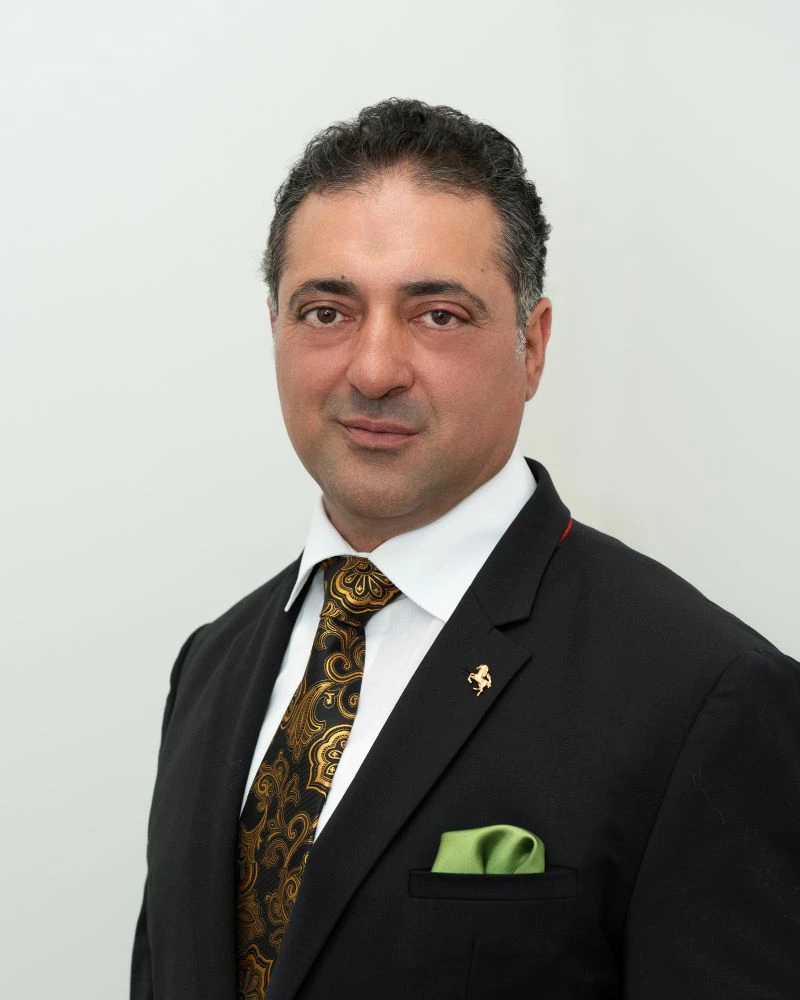
Botox is no longer a conversation reserved for women.
More men are exploring Botox and other nonsurgical aesthetic treatments as a way to soften noticeable lines, look more refreshed, and address changes in their appearance without undergoing surgery. You may have even heard the trend described as “Brotox.”
According to the American Society of Plastic Surgeons (ASPS), 593,854 neuromodulator injection procedures were performed on men in the United States in 2024. The organization has also highlighted growing interest among men who want a refreshed appearance while still looking like themselves. American Society of Plastic Surgeons: “Brotox? Why more men than ever are interested in a fresh face”
For Connecticut men considering Botox for the first time, however, popularity shouldn't be the deciding factor. Understanding how Botox works, how treatment may differ for men, what results can realistically look like, and why the experience of the medical professional matters can help you make a more informed decision.
Why Are More Men Getting Botox?
The idea of men's aesthetics has changed considerably.
For many men, the goal isn't to dramatically change their appearance or chase an unrealistic version of youth. It may simply be wanting to look less tired, soften a deep line between the eyebrows, reduce forehead lines, or have their outward appearance better reflect how they feel.
The American Academy of Facial Plastic and Reconstructive Surgery reported in its 2024 trends survey that 92% of surveyed facial plastic surgeons had male patients in their practices. The organization also identified growing male interest in nonsurgical treatments, including Botox. AAFPRS 2024 Annual Trends Survey
Research into men's interest in cosmetic procedures supports this broader shift. An 18-year analysis of online search trends found increasing male interest in nearly every aesthetic procedure examined, with Botox, jawline filler, microneedling, lip filler, and chemical peels among the procedures showing substantial increases. Researchers concluded that interest was particularly increasing for nonsurgical facial procedures. Changing Aesthetic Surgery Interest in Men: An 18-Year Analysis
In other words, men aren't suddenly discovering aesthetics. The stigma surrounding men taking an active role in their appearance is gradually changing.
What Exactly Is “Brotox”?
“Brotox” is simply an informal term used to describe Botox treatments for men.
Botox Cosmetic is a botulinum toxin product used to temporarily reduce muscle activity in specific treatment areas. When certain facial muscles contract repeatedly over time, those movements can contribute to visible expression lines.
Common areas men may want to discuss during a consultation include:
Forehead lines
Frown lines between the eyebrows
Crow's feet around the eyes
The goal of treatment should be individualized. Botox isn't about applying the same injection pattern to every person who walks through the door.
That distinction can be particularly important for men.
Is Botox Different for Men?
The medication itself doesn't become “men's Botox,” but the assessment and treatment strategy may differ.
Men and women can have differences in facial anatomy, muscle mass, eyebrow position, forehead shape, hairline, and aesthetic goals.
A clinical review of nonsurgical cosmetic procedures in men notes that practitioners need to consider male anatomical and physiological differences when planning treatment. The authors specifically discuss greater facial muscle mass as one factor that may affect treatment considerations. Nonsurgical Cosmetic Procedures for Men: Trends and Technique Considerations
Published consensus recommendations for botulinum toxin treatment also emphasize individualized assessment of male forehead anatomy, muscle activity, forehead dimensions, hairline, and other characteristics rather than relying on a single standardized approach. Tailored Botulinum Toxin Type A Injections Based on Facial Anatomy
Even the FDA-approved prescribing information for Botox Cosmetic instructs providers to consider the relationship between forehead size and the distribution of frontalis muscle activity when determining appropriate injection locations. FDA Botox Cosmetic Prescribing Information
This is one reason the consultation matters.
Will Botox Make Me Look Frozen?
This is one of the biggest concerns men may have when considering Botox.
You may have seen someone whose cosmetic treatment appeared obvious and decided, “That's not for me.”
But an obvious cosmetic change doesn't have to be your treatment objective.
A consultation should include a discussion about what bothers you, how your facial muscles move, and what you want the final result to look like. Some patients may want substantial reduction in visible movement in a particular area, while others may prefer a more conservative approach.
There isn't one universally correct Botox result.
Your treatment plan should reflect your anatomy and your goals.
It's also important to have realistic expectations. Individual responses to treatment vary, and no provider should guarantee a specific cosmetic outcome.
Botox vs. Filler: What's the Difference?
Botox and dermal fillers are often discussed together, but they aren't the same treatment.
Botox and other neuromodulators temporarily affect targeted muscle activity. Dermal fillers are injectable products designed to add volume or create a fuller or smoother appearance in specific areas.
The U.S. Food and Drug Administration describes dermal fillers as injectable implants used to help create a smoother and/or fuller appearance, including in areas such as the cheeks, lips, chin, and nasolabial folds. FDA: Dermal Filler Do's and Don'ts
The Aesthetic Society similarly distinguishes neurotoxins from fillers, explaining that neurotoxins are commonly used to address dynamic expression lines while fillers can address concerns related to folds, contours, or volume. The Aesthetic Society: The One-Two Punch of Fillers and Neurotoxins
That means asking, “Should I get Botox or filler?” may be starting with the wrong question.
A better question is:
What is causing the concern I want to address?
The answer may point toward Botox, filler, another aesthetic treatment, or potentially no injectable treatment at all.
What Stops Men From Trying Botox?
Men considering cosmetic treatments often have practical concerns that go beyond whether the treatment works.
A U.S. survey of 411 adult men examining preferences and barriers surrounding aesthetic procedures found several common concerns:
52% identified recovery time as a barrier
48% were concerned about complications
43% identified cost
32% were concerned about others knowing they had undergone a cosmetic procedure
31% were concerned that results wouldn't meet their expectations
Those concerns are reasonable and worth discussing before treatment.
For someone considering Botox for the first time, a consultation should provide an opportunity to ask about expected results, potential risks and side effects, aftercare, cost, treatment frequency, and what alternatives may be available.
Will People Know I Got Botox?
For many men, this may be more important than asking whether Botox can reduce a wrinkle.
They don't necessarily want coworkers, friends, or family asking what they had done.
They simply want to look refreshed.
There is no way to guarantee how other people will perceive a cosmetic treatment. Results depend on factors including anatomy, treatment area, treatment plan, dose, individual response, and aesthetic goals.
This is another reason to communicate clearly with your medical professional.
If maintaining a natural appearance is your priority, say so during the consultation.
Is There Downtime After Botox?
Botox is a nonsurgical procedure, but “nonsurgical” doesn't mean there are no risks or aftercare considerations.
The FDA-approved Botox Cosmetic labeling contains important information about contraindications, warnings, potential adverse reactions, and appropriate administration. Anyone considering treatment should discuss their health history, medications, previous treatments, and potential risks with a qualified healthcare professional. FDA Botox Cosmetic Prescribing Information
This is also why Botox should be treated as a medical procedure rather than simply another grooming service.
Your provider should explain what to expect before, during, and after treatment based on your individual situation.
What Age Should Men Start Botox?
There isn't a universal age when a man “needs” Botox.
Someone in his early 30s may have significant expression lines that bother him, while another person in his 40s or 50s may have little interest in treating them.
Age alone shouldn't determine whether Botox is appropriate.
Instead, a consultation can consider factors such as:
Your specific concern
Facial anatomy
Muscle movement
Skin condition
Previous treatments
Medical history
Desired outcome
Cosmetic treatment is ultimately personal.
The question isn't whether you've reached the “Botox age.”
The better question is whether a particular treatment is appropriate for the concern you want to address.
Botox for Men in Connecticut: Choosing the Right Provider
The growing popularity of Botox has also created more places offering injectable treatments.
Connecticut men researching Botox should look beyond price alone when choosing where to receive treatment.
Botox is a prescription medication, and treatment requires an understanding of facial anatomy, appropriate dosing, injection technique, contraindications, potential complications, and aesthetic balance.
During a consultation, consider asking:
Who will perform my injections?
Understand the credentials and experience of the medical professional responsible for your treatment.
How do you approach Botox differently for male patients?
Treatment should consider your anatomy rather than simply follow a standardized injection pattern.
What result is realistic for me?
Be cautious of guarantees. Cosmetic outcomes vary.
What are the risks?
A qualified provider should be willing to discuss risks, side effects, contraindications, and alternatives.
What happens if Botox isn't the right treatment for my concern?
A good consultation isn't automatically a Botox appointment. Your concern may be better addressed with another aesthetic treatment.
Beyond “Brotox”: Men's Aesthetics Are Changing
Botox may be one of the most recognizable men's aesthetic treatments, but it represents a much larger shift.
Men are increasingly researching ways to take care of their skin, appearance, energy, and overall wellness.
For some, that may involve Botox. For others, it could mean skincare, laser treatments, facials, body treatments, IV therapy, hormone or wellness conversations, or simply developing a better understanding of their health.
The important part is that men's self-care doesn't need to fit a stereotype.
Considering Botox for Men in Connecticut?
If you've noticed forehead lines, frown lines, or crow's feet and have wondered whether Botox could help, the first step doesn't have to be committing to treatment.
Start with a conversation.
At Pure Essence Center for Wellness & Aesthetics, a consultation provides an opportunity to discuss your concerns, treatment goals, and available options before determining whether an injectable treatment is appropriate for you.
Whether you've been researching “Brotox,” looking for Botox for men in Connecticut, or simply wondering why you look more tired or stressed than you feel, understanding your options can help you make a more informed decision.
Schedule a consultation with Pure Essence Center for Wellness & Aesthetics to learn whether Botox or another aesthetic treatment may be appropriate for your goals.
Sources
American Society of Plastic Surgeons. “Brotox? Why more men than ever are interested in a fresh face.”https://www.plasticsurgery.org/news/articles/brotox-why-more-men-than-ever-are-interested-in-a-fresh-face
American Academy of Facial Plastic and Reconstructive Surgery. “2024 Annual Trends Survey.”https://www.aafprs.org/Media/Press_Releases/2024_Annual_Trends_Survey.aspx
“Changing Aesthetic Surgery Interest in Men: An 18-Year Analysis.”https://pmc.ncbi.nlm.nih.gov/articles/PMC10187949/
“Nonsurgical Cosmetic Procedures for Men: Trends and Technique Considerations.”https://jcadonline.com/nonsurgical-cosmetic-procedures-for-men-trends-and-technique-considerations/
“Tailored Botulinum Toxin Type A Injections Based on Facial Anatomy.”https://pmc.ncbi.nlm.nih.gov/articles/PMC5655032/
U.S. Food and Drug Administration. Botox Cosmetic Prescribing Information.https://www.accessdata.fda.gov/drugsatfda_docs/label/2024/103000s5316s5319s5323s5326s5331lbl.pdf
U.S. Food and Drug Administration. “Dermal Filler Do's and Don'ts for Wrinkles, Lips and More.”https://www.fda.gov/consumers/consumer-updates/dermal-filler-dos-and-donts-wrinkles-lips-and-more
The Aesthetic Society. “The One-Two Punch of Fillers and Neurotoxins.”https://www.theaestheticsociety.org/news/aesthetic-procedures/one-two-punch-fillers-and-neurotoxins
“Preferences and Barriers of Male Patients Seeking Aesthetic Procedures.” PubMed.https://pubmed.ncbi.nlm.nih.gov/37750951/


Comments